
Where Can I Sell Gold for a Profit? California Tax Rules Explained
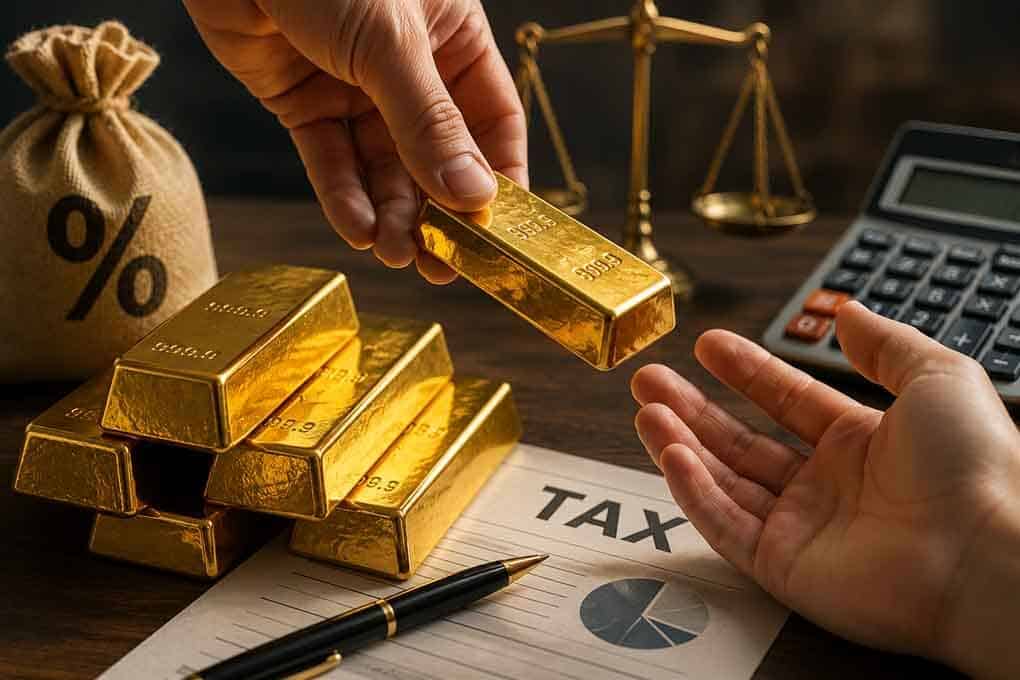
You bought gold bullion years ago, watched the price climb, and now you are thinking about selling. Maybe you have gold bars in a safe, gold coins from an investment purchase, or bullion you inherited from a family member. The big question is simple: if you sell for more than you paid, what taxes apply?
For many California sellers, this part can feel confusing. Gold bullion is not taxed exactly like a paycheck, and it is not always treated like regular stocks either. Federal tax rules, California income tax rules, and sales tax rules can all come up depending on the situation.
So, if you want to understand the tax side before you search for where I can sell gold or meet with a local precious metals buyer, this blog is for you.
Do You Owe Tax When You Sell Gold Bullion For A Profit?
In many cases, yes. If you sell gold bullion for more than your cost basis, the profit may be a taxable capital gain.
Your cost basis is usually what you paid for the gold, plus any related acquisition expenses (such as dealer fees, shipping, or insurance) in some cases. Your taxable profit is the difference between the price you sell it for and your cost basis.
Here is a simple example:
- You bought gold for $4,000 (plus $50 in shipping/fees = $4,050 cost basis)
- You later sold it for $5,500
- Your possible taxable gain will be $1500, and it needs to be reported on your tax return.
If you sell gold for less than your cost basis, you have a capital loss. Whether that loss helps you at tax time depends on your full tax situation, so this is where a CPA or tax preparer can help.
| Don’t lose profits to tax surprises – Contact us! |
|---|
Federal Taxes: Gold Bullion Is Usually Treated As A Collectible
At the federal level, physical precious metals like gold bullion are often treated as collectibles. That can surprise people because they may think gold is taxed like stocks. The tax rate depends partly on how long you held the gold.
- If you hold the gold for one year or less, the gain is usually short-term. Short-term gains are generally taxed at your regular federal income tax rate.
- If you hold the gold for more than one year, the gain is usually long-term. Long-term gains on collectibles can be taxed at a federal rate of up to 28 percent.
Read more about: How to Decide Whether to Sell or Hold Gold Based on Market Signals?
That does not always mean every seller pays 28 percent. It means that it is the top federal rate that may apply to long-term capital gains.
This is one reason why keeping purchase records is important. If you do not know what you paid, it may be harder to figure out your true gain.
California Taxes: Capital Gains Are Taxed As Ordinary Income
California does not give capital gains a special lower tax rate, the way federal tax rules sometimes do. In California, capital gains are generally taxed as ordinary income.
That means your profit from selling gold bullion is added to your other taxable income for California tax purposes. The rate you pay depends on your total income and tax bracket, which can reach as high as 13.3% ([consisting of a 12.3% maximum base rate plus a 1% state surcharge on taxable income over $1 million)
For example, if you sell bullion for a $3,000 profit, that gain may be included with your other income on your California return. It is not taxed under a special California gold rate. It is part of your taxable income. This is more important for sellers who are taking a large profit. Selling a larger amount of gold bullion in one year may affect your overall tax picture more than selling a smaller amount.
Note: A clear evaluation by a trusted gold buyer can help you understand weight, purity, market value, and selling options before you make a decision.
| California tax rules change fast – Schedule your appointment! |
|---|
Does California Sales Tax Apply When Selling Gold Bullion?
This is where many people get mixed up. Income tax and sales tax are not the same thing.
When you sell gold bullion for a profit, the main tax issue for you as the seller is usually income tax on the gain.
Sales tax is different. California has rules for the sale of coins and bullion. California provides sales tax exemptions for certain bullion and coin transactions when they meet specific state requirements. It also depends on the type of precious metals being sold and the size of the transaction.
For sales occurring on or after July 1, 2023, California’s rule generally looks at whether the single transaction meets the $2,000 bulk sale threshold or the adjusted amount under the law.
For everyday sellers, the most important point is this: do not confuse sales tax with income tax. Even if a transaction is not subject to sales tax, you may still owe income tax if you sell for a profit.
Do Gold Dealers Report Sales to the IRS?
This is one of the most common questions people ask before selling gold bullion, and the answer is – yes, sometimes they do.
Certain precious metals transactions may trigger federal reporting requirements, depending on the type of bullion being sold and the quantity involved. Some larger transactions can require dealers to file specific forms, while many routine sales do not.
One common misconception is that if no reporting form is issued, no taxes are owed. However, reporting requirements for dealers and a seller’s personal tax obligations are not the same thing. If you sell gold bullion for a profit, you may still need to report any taxable gain on your federal tax return, regardless of whether a reporting form was filed.
If you’re unsure how reporting requirements apply to your situation, consider speaking with a qualified tax professional before completing the sale.
What Records Should You Keep Before Selling Gold?
Good records make tax reporting much easier. They can also help you understand whether you truly made a profit.
- Original purchase receipt
- Date of purchase
- Sale receipt
- Product details
- Appraisal or evaluation notes
- Inheritance documents, if any
What If You Do Not Know What You Paid For The Gold?
Many sellers do not have perfect records. This is common with inherited bullion, old coin collections, and gold purchased years ago. In many inheritance cases, the value may be based on the fair market value at the date of death, but estate situations can vary.
If you do not know the purchase price, do not guess.
- Look for bank records, old invoices, safe deposit records, estate paperwork, or family notes. You can also ask a tax professional how to handle missing records.
- Also, you should know where to sell gold or any other area, as a precious metals buyer can help accurately identify the gold product, weight, purity, and current market value.
That does not replace tax advice, but it gives you important information to bring to your tax preparer.
Common Mistakes Sellers Should Avoid:
- Most sellers think that all gold sales are tax-free. Gold can feel like personal property, but if it is held as an investment and sold for a profit, tax rules may apply.
- Another mistake is thinking the buyer calculates your taxes for you. A gold buyer may provide a receipt or transaction record, but your tax return is your responsibility.
- Some sellers also forget about California taxes. They may focus only on federal tax and miss the fact that California taxes capital gains as ordinary income.
- A fourth mistake is selling without records. Even if you plan to sell quickly, gather your paperwork first. A few minutes of preparation can save stress later.
- Finally, do not assume every gold item should be valued only by weight. Bullion is often valued mainly by metal content, but some coins may have added collector value. That can affect your selling decision.
| Get A Clear Local Evaluation for Your Gold Bullion – Call Now! |
|---|
Common Concerns About Taxes And Selling Gold In California
Do I have to report selling gold bullion to the IRS? ▼
Do I pay tax on the full amount I receive when I sell gold? ▼
What if I inherited gold and wanted to sell it? ▼
Read More About:
- Questions to Ask a Rare Coin Dealer Before You Buy
- 10 Rare Coins and Bullion Pieces Collectors Are Always Searching For
- Types of Gold Coins You Can Buy or Sell in California
- Understanding Bullion vs. Numismatic Value: What You Need to Know
Takeaway!
Selling physical gold bullion for a profit in California involves understanding a unique combination of federal collectible rules and regular state income taxes.
Keeping records of what you paid for your gold and when you purchased it can make tax reporting much easier if you eventually sell for a profit. Knowing all the guidelines allows you to accurately plan your sales, calculate your true net profits, and approach tax season with complete confidence.
No matter your investment background, staying informed ensures that you keep the maximum amount of cash in your pocket when liquidating your physical gold assets.
| Disclaimer – This article is intended for general informational purposes only and should not be considered tax or legal advice. Tax laws can change, and individual circumstances vary. Consult a qualified tax professional regarding your specific situation. |
Sell Gold With BEHR Gold, Coins & Jewelry!
“Where can I sell gold in Sacramento?” If you’re still not sure, trust BEHR Gold, Coins & Jewelry. We offer knowledgeable evaluations for gold bullion, silver bullion, coins, jewelry, scrap gold, estate jewelry, coin collections, and precious metals.
Before selling gold bullion, many people want to understand both the value of their metals and the possible tax implications. We’ve been serving Sacramento and nearby Northern California communities for 15+years. Our team helps sellers understand weight, purity, market pricing, bullion value, and possible collector value before making a decision. Also our team can help you confidently navigate options through our Gold Service, Silver Service, Coin Service, Jewelry Service, and Currency Service.
We serve:
- Gold Investors
- Coin Collectors
- Estate Sellers
- Everyday Sellers
- First-Time Sellers
Whether you are taking profits from gold bullion, sorting through an inherited collection, selling old jewelry, or learning about precious metals for the first time, BEHR Gold, Coins & Jewelry is here to help you feel informed and comfortable.
Call 916-898-2608 to get a clear evaluation of your gold bullion in Sacramento!