
Gold Gram vs Ounce: Which Size Should You Buy for Investing?
Buying physical gold sounds simple until you start comparing bar sizes.
You may see 1-gram, 5-gram, 10-gram, and 20-gram bars sitting alongside 1-ounce gold bars and wonder: Is the smaller bar actually a better deal, or am I paying more for the convenience?
The answer depends on what you want from your investment. Smaller gold bars can make it easier to start investing with a limited budget and give you more flexibility when it is time to sell. Larger bars, especially 1-ounce bars, generally give you more gold for each dollar because their premiums tend to be lower.
Therefore, before you buy, it helps to understand the difference between gold grams and ounces, how premiums work, and which size fits your goals.
| Not Sure Whether to Buy Gold by Gram or Ounce – Call Now! |
|---|
What Is the Difference Between a Gram and an Ounce of Gold?
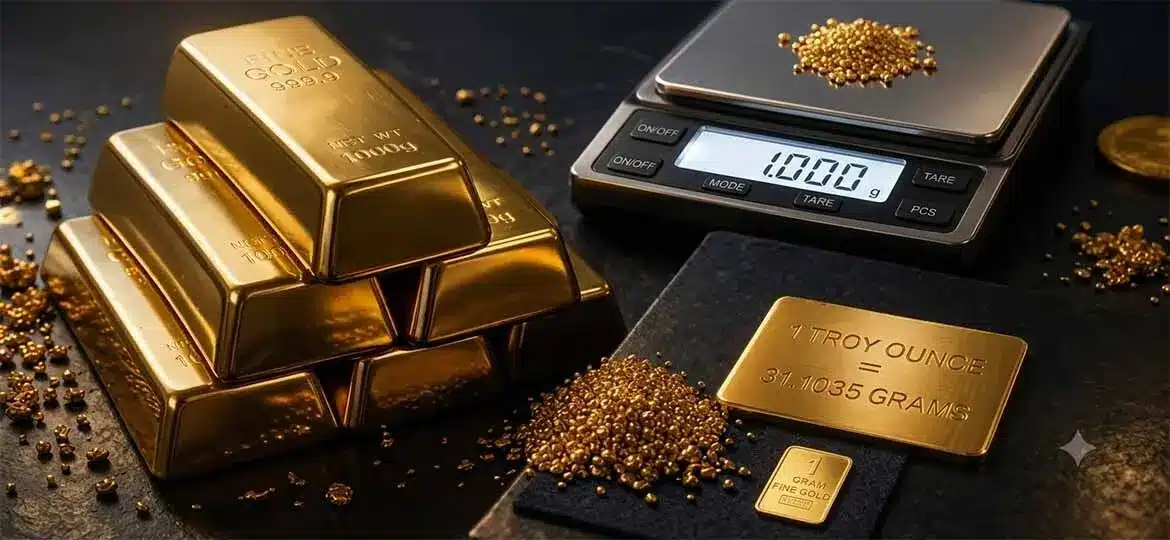
Gold uses a troy ounce, not the regular ounce used for food and household items. 1 troy ounce is exactly 31.1035 grams. A regular ounce is about 28.35 grams, so confusing the two can throw off your calculations.
Here’s how some common gold weights compare:
| Gold Size | Equivalent |
|---|---|
| 1 gram | 0.03215 troy oz |
| 5 grams | 0.16075 troy oz |
| 10 grams | 0.32151 troy oz |
| 20 grams | 0.64301 troy oz |
| 1 troy ounce | 31.1035 grams |
You will also see fractional-ounce coins such as 1/10 oz, 1/4 oz, and 1/2 oz. The U.S. Mint issues American Gold Eagles in these sizes as well as a 1-ounce version.
Why Does a 1-Ounce Gold Bar Usually Cost Less Per Gram?
The price of physical gold is not based only on the metal’s spot price. You also pay a premium.
The spot price is the market value of the gold itself. The premium is the extra amount you pay for things such as refining, manufacturing, packaging, distribution, and dealer costs.
A 1-gram bar still has to go through many of the same steps as a 1-ounce bar. But those costs are spread across just one gram instead of 31.1035 grams. As a result, smaller bars often have higher premiums per gram than larger ones.
Therefore, before buying, ask:
- What is the current spot price?
- How much am I paying above spot?
- What might I get if I sell the gold back later?
One important thing to remember: you may not get the same premium back when you sell.
| Investing in Gold? Choose the Right Size – Contact Us Today! |
|---|
When Do Gram Gold Bars Make More Sense?
Gram bars can be a practical choice when buying a full ounce would stretch your budget. You can start with a smaller amount and add more gold when your budget allows.
They also give you more flexibility if you need to sell later. If you own one 1-ounce bar and only need a small amount of cash, you would normally have to sell the entire bar. With several smaller bars, you can sell one or two and keep the rest.
For some buyers, that flexibility is worth paying a little more per gram.
When Is a 1-Ounce Gold Bar the Better Choice?
A 1-ounce bar can be a good option if you want to put more of your money into the gold itself rather than paying a higher premium for a smaller piece. Larger bars generally cost less per gram than very small bars, which can make them attractive to people who plan to hold their gold for a long time.
The bigger question is your budget. If you can comfortably afford a 1-ounce bar and don’t expect to sell just a small part of your gold later, it may make sense. But there’s no reason to stretch your budget just to buy a larger bar.
| Gold Grams or Ounces? Find the Right Investment Choice – Call Now! |
|---|
Is 10 Grams a Good Middle Ground?
For some buyers, 10 grams can be a nice in-between option.
A 10-gram bar contains about 0.3215 troy ounces of gold. It costs less than a full 1-ounce bar, but you may pay a lower premium per gram than you would on a very small 1-gram bar.
You don’t have to stick to one size, either. You can compare 5-gram, 10-gram, 20-gram, 1/10-ounce, 1/4-ounce, and 1/2-ounce options and see which one gives you the combination of price and flexibility you want.
If you’re still unsure, don’t focus only on the size. Look at the total price, premium, amount of gold you’re getting, and your plans for selling it later.
What Should You Check Before You Buy Gold?
Size is only a part of the decision. Before buying, look at the gold’s purity, weight, premium, refiner or brand, condition, packaging, and how easy it may be to resell later.
Many investment bars are marked with their weight, purity, and refiner information. Some also come in sealed assay packaging, which can provide additional information about the product. With gold coins, don’t assume the coin’s total weight is the same as its gold content.
For example, a 1-ounce American Gold Eagle contains one troy ounce of pure gold, but the coin itself weighs more because it is made with a 22-karat alloy that includes silver and copper.
What About Sales Tax on Gold in California?
If you’re buying gold, it’s also worth asking about sales tax before you finalize the purchase.
California usually taxes retail sales of gold and silver bullion. But bulk purchases of bullion and numismatic coins totaling $2,000 or more in a single transaction may qualify for a sales and use tax exemption if the other requirements are met. The $2,000 threshold has been in effect since July 1, 2023.
If you’re making a larger purchase, talk with the dealer about the tax before you complete the sale. A $2,000 purchase does not automatically mean the tax exemption applies, so the details of the transaction are equally important.
| Have Questions About Gold Prices? Call Today! |
|---|
Gold Gram vs Ounce: Which One Should You Buy?
Here’s the simple answer:
Choose a 1-ounce bar if your priorities are getting more gold for your money and comfortably affording the larger purchase. If you’re somewhere in the middle, 10-gram, 20-gram, or 25-gram bars may give you a practical balance.
The most important thing is not to focus only on the bar’s size. Look at the premium per gram, purity, dealer reputation, and your reason for investing.
Gold is a long-term asset for many investors, but physical gold also comes with costs for buying, storing, insuring, and eventually selling it.
Frequently Asked Questions
Should I Buy 1-Gram Gold Bars Now or Save for a Full Ounce? ▼
Do I Get the Premium Back When I Sell a Small Gold Bar? ▼
Is It Better to Own Several Small Bars or One 1-Ounce Bar? ▼
| Discover Which Gold Size Fits Your Investment Goals – Contact Us Today! |
|---|
Takeaway!
There is no single gold bar size that is right for everyone.
- 1-gram to 10-gram bars can make sense when you want a lower entry point and more flexibility.
- 1-ounce bars can be more efficient when you’re looking for a long-term accumulation with a lower premium.
- Mid-sized bars can offer a balance between the two.
Before you buy, compare the price against the current spot value, check the purity and weight, and think about how you may want to sell the gold later.
Read More About:
- Rare U.S. $1,000 Bill Value Today: Insights from Coin Dealers
- American Silver Eagles: History, Value & Collectability Explained
- Where Can I Sell Gold Safely? Online vs Local Gold Buyers
- How to Decide Whether to Sell or Hold Gold Based on Market Signals?
Buy Gold in Sacramento With BEHR Gold, Coins & Jewelry
Still wondering, “Where can I buy gold in Sacramento and get a clear explanation of gram bars versus ounces?” Well, you’re in the right place. BEHR Gold, Coins & Jewelry has served the Sacramento community since 2011, helping customers with gold, silver, coins, and other precious metals.
If you are looking for a gold buyer and want to talk about adding bullion to an existing collection or selling it, we can help you. Our experienced pros offer transparent, market-based pricing, secure face-to-face transactions, and no-pressure guidance.
Who We Serve in Sacramento?
BEHR Gold, Coins & Jewelry serves first-time gold buyers, long-term bullion investors, coin collectors, estate sellers and heirs, and people looking to buy or sell gold, silver, coins, or jewelry in the Sacramento area.
To compare the size, purity, premium, and resale options before you buy, give us a call at 916-898-2608.